


DIY vs. Professional Installation for Art and Mirrors
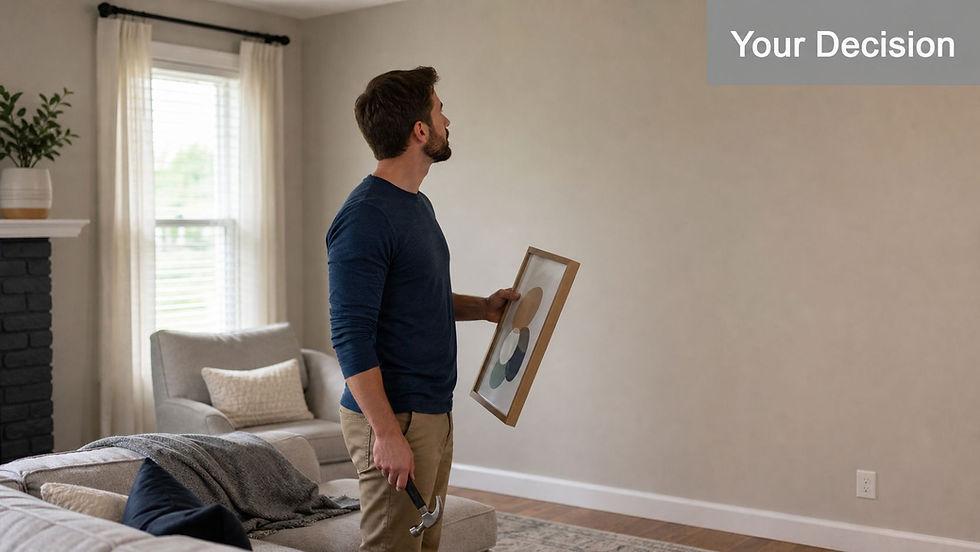
You’re standing in front of a wall with a framed piece in one hand and a drill in the other. The artwork is valuable, the wall isn’t perfect, and you’re wondering whether this is a simple weekend project or a job best left to a professional.
The decision is not simply, “Can I hang this?” The better question is, “What happens if I get it wrong?”
For art and mirrors, the answer usually depends on the piece’s weight, value, placement, and wall type.
When DIY Installation Makes Sense
DIY installation can be a practical and affordable choice when the project is simple and forgiving.
Consider installing it yourself when the piece is:
Lightweight
Replaceable
Easy to handle alone
Going on standard drywall
Installed at a comfortable height
Easy to reposition if necessary
A small framed print, poster, or lightweight canvas is usually a reasonable DIY project. If the first placement is slightly off, the piece can generally be moved without creating significant damage or expense.
DIY also gives you complete control over the timing and placement. However, you are responsible for selecting the correct hardware, locating studs, measuring accurately, protecting the wall, and correcting any mistakes.
When Professional Installation Is Worth It
Professional installation becomes the better choice when a mistake could damage the artwork, wall, furniture, or someone nearby.
Consider hiring an installer when the piece is:
Heavy, oversized, or difficult to lift
Valuable, fragile, or irreplaceable
Being mounted above furniture or in a high-traffic area
Going on plaster, brick, concrete, tile, or another specialty surface
Installed in a stairwell, foyer, or other elevated location
Part of a detailed gallery wall or grid
Intended for a commercial or public-facing space
A professional installer brings more than tools. They offer experience with weight distribution, anchors, wall conditions, spacing, alignment, and safe handling. They can also identify problems before holes are drilled.
Three Factors That Should Guide Your Decision
1. Weight and Fragility
Weight changes the type of mounting hardware required and increases the consequences of failure. A heavy mirror, sculpture, or oversized frame may require multiple mounting points, specialty anchors, or direct attachment to wall studs.
Fragility matters just as much. Glass, original artwork, antiques, and family heirlooms should be handled conservatively because some damage cannot be repaired.
If you cannot comfortably control the piece while lifting and positioning it, hire help.
2. Installation Height
Standard eye-level placement is usually easier and safer than installing artwork above a staircase, fireplace, tall piece of furniture, or two-story entryway.
Working at height introduces additional risks. It may require ladders, scaffolding, lifting equipment, or multiple installers. Even a lightweight piece can become difficult to position accurately when access is limited.
Professional installation is usually the safest choice when the piece cannot be reached comfortably from a small step ladder.
3. Wall Material and Condition
Standard drywall is generally the most forgiving surface. Plaster, masonry, brick, concrete, tile, paneling, and specialty finishes require different tools and mounting methods.
Older walls may also conceal irregular framing, brittle plaster, electrical wiring, plumbing, or previously repaired areas. Choosing the wrong anchor can crack the surface or create a mounting point that cannot support the piece.
When the wall is unusual, expensive to repair, or difficult to replace, professional judgment can prevent costly damage.
Common Installation Scenarios
A Lightweight Print on Drywall
This is typically a good DIY project. Use hardware rated for the piece’s weight, measure carefully, and confirm the placement before making a hole.
A Heavy Antique Mirror
This is generally a professional project. The mirror’s weight, fragility, and large surface area make handling and mounting more complicated. If it falls, the damage could extend well beyond the mirror itself.
A Multi-Piece Gallery Wall
A small, casual gallery wall may be manageable as a DIY project. A large grid or precisely spaced display often benefits from professional installation because one measurement error can affect the entire arrangement.
A Commercial Lobby Installation
Commercial installations should usually be handled professionally. These projects may involve strict schedules, large displays, brand standards, public safety, and coordination with designers, property managers, or lighting professionals.
The Hidden Costs of DIY Installation
The initial cost of DIY installation may be limited to anchors, screws, a level, and a stud finder. The real expense can appear later if something goes wrong.
Common problems include:
Unnecessary or misplaced holes
Cracked plaster or damaged finishes
Artwork that shifts or hangs crooked
Hardware that pulls away from the wall
Damaged frames, mirrors, or artwork
Patching and repainting
Personal injury or property damage
A failed installation does not always result in an immediate fall. Sometimes a frame slowly moves out of level, an anchor loosens, or the wall begins showing stress over time.
The money saved initially only matters if the finished installation remains level, secure, and safe.
How to Choose a Professional Installer
Look for an installer with experience handling pieces similar to yours. Before hiring someone, ask about:
Insurance and coverage
Experience with your wall type
Hardware and anchor selection
Handling procedures for valuable artwork
Layout, spacing, and alignment methods
Heavy-piece mounting experience
Portfolio examples and references
Policies for follow-up adjustments
A qualified installer should explain the process clearly, confirm the placement before drilling, and identify any concerns about the wall or hardware.
Before the appointment, clear the area, make the artwork accessible, and have a general placement idea ready. Mention any sentimental or financial value so the installer understands the level of care required.
A Simple Rule to Follow
Use this quick guideline:
Lightweight, replaceable, and easy to reposition usually means DIY. Heavy, valuable, fragile, elevated, or difficult to mount usually means hiring a professional.
If you are still uncertain, ask yourself three questions:
Is the piece heavy or difficult to control?
Is the wall unusual or expensive to repair?
Would a failed installation cost more than hiring a professional?
If the answer to any of these questions is yes, professional installation is likely the safer and more economical choice.
Colorado Art Services provides residential and commercial art installation, mirror hanging, heavy-piece mounting, and professional layout services throughout the Denver Metro area. Contact Colorado Art Services when you want your artwork installed safely, accurately, and with a clean finished appearance.


Comments