


Professional Artwork Layout Design: A 5-Minute Guide

Hanging artwork isn't just about finding an empty wall and centering a frame. Great artwork placement combines design, functionality, and safety to create a space that feels intentional and balanced. Whether you're decorating a home, office, or commercial space, thoughtful layout design can make all the difference.
Start with the Space, Not the Wall
Before measuring anything, step back and consider how people use the room.
Ask yourself:
Where do people first see the artwork?
How does furniture affect sightlines?
Are there windows, fireplaces, or architectural features competing for attention?
Is there glare from natural light?
A layout that looks perfect on paper can feel awkward once furniture, traffic flow, and viewing angles are considered.
Inventory Your Artwork
Before planning placement, gather key details about each piece:
Dimensions (including the frame)
Weight
Orientation (portrait or landscape)
Frame style and finish
Subject matter and color palette
Special hanging or security requirements
Understanding the collection as a whole helps determine whether pieces should stand alone, be paired together, or become part of a gallery wall.
Choose the Right Arrangement
Different spaces call for different layouts:
Single Statement Piece
Perfect for large walls or rooms that already contain a lot of visual elements.
Paired Pieces or Triptychs
Great above sofas, beds, consoles, or reception seating areas.
Grid Layout
Works well for photography collections, hallways, and office environments where consistency matters.
Gallery Walls
Ideal for eclectic collections, stairwells, and spaces where personality is the goal.
No matter the arrangement, every layout should have an anchor point—whether that's a centerline, dominant artwork, or consistent alignment.
Master Spacing and Height
One of the most common mistakes is hanging artwork too high.
A few simple guidelines:
Keep artwork visually connected to nearby furniture.
Maintain consistent spacing between grouped pieces.
Use white space intentionally to avoid clutter.
Focus on where people actually view the artwork rather than chasing ceiling height.
A quick test: stand in the primary viewing location and squint. If the arrangement still feels balanced and easy to read, you're on the right track.
Don't Forget Lighting
Even the best layout can fail under poor lighting.
Consider:
Glare from windows
Shadows from nearby trim or furniture
How the artwork looks during the day and at night
Whether accent lighting or picture lights would improve visibility
Lighting should enhance the artwork, not compete with it.
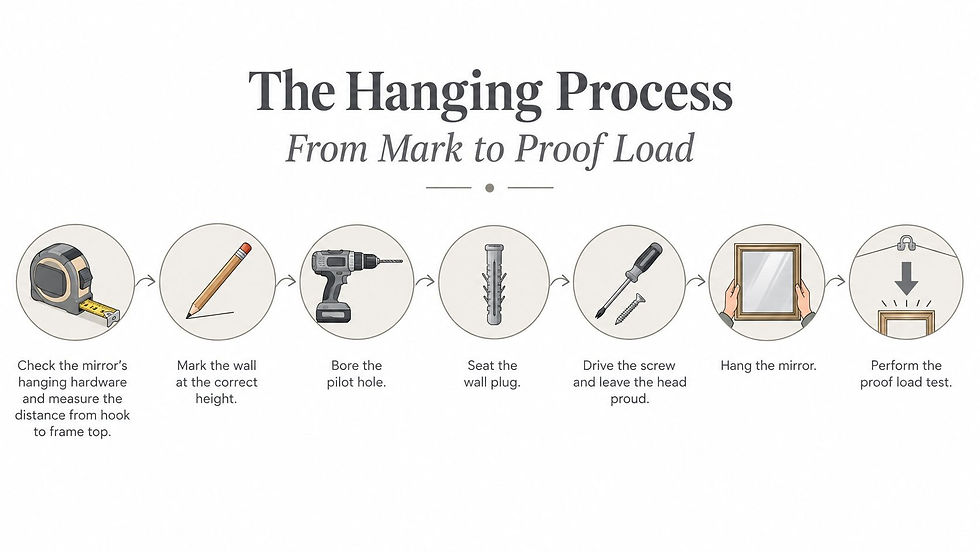
Use the Right Hardware
Professional installation starts with proper mounting hardware.
The correct hardware depends on:
Wall material (drywall, plaster, brick, concrete, etc.)
Artwork weight
Frame construction
Security requirements
Never assume the hardware included with a frame is sufficient for long-term installation. Heavier pieces, mirrors, and commercial installations often require specialized mounting systems.
Plan Before Making Holes
Templates and mockups can save hours of frustration.
Before installing:
Tape paper templates to the wall.
Review the layout from multiple angles.
Confirm spacing and scale.
Get final approval before drilling.
This simple step helps avoid unnecessary wall repairs and repositioning later.
The Bottom Line
Professional artwork layout design is about more than hanging pictures straight. It involves understanding the room, planning the composition, selecting the proper hardware, and creating a layout that feels natural, balanced, and secure.
When done correctly, artwork becomes part of the architecture of the space—not just something attached to the wall.
For homes, offices, galleries, and commercial spaces, investing time in proper planning leads to a cleaner, safer, and more visually impactful installation.


Comments