


Conference Room Art: A Practical Guide for a Polished Office
A conference room can have the perfect table, matching chairs, and the latest technology, yet still feel unfinished. Most of the time, the missing piece is the wall space. Conference room art does more than decorate an office — it shapes how clients experience the space, affects employee comfort during long meetings, and helps define your company’s identity.
The challenge isn’t just choosing artwork that looks good. In commercial spaces, the real work comes down to scale, placement, lighting, mounting methods, and long-term durability. A piece that looks great online can quickly become a problem if it causes glare, feels too small for the room, or is installed improperly.
Start With the Room’s Purpose
Before selecting artwork, define how the conference room is actually used.
Client-facing rooms should feel polished and professional.
Creative collaboration spaces can support more energetic or abstract artwork.
Executive boardrooms often benefit from clean, refined pieces that complement the architecture instead of competing with it.
Multi-use meeting rooms need art that works equally well during presentations, hybrid meetings, and everyday team use.
A good exercise is asking leadership and stakeholders what the room should communicate. Words like modern, welcoming, bold, regional, or precise can help narrow the direction early and avoid approval conflicts later.
Scale and Placement Matter More Than Style
One of the most common mistakes in conference rooms is artwork that is simply too small. In large commercial spaces, undersized pieces disappear once the table, monitor, and furniture are installed.
A good rule of thumb is for the artwork or full composition to cover roughly 60–75% of the usable wall area. That usable space may shrink once you account for displays, lighting, credenzas, thermostats, or wall-mounted technology.
Placement should also be tested from the seats people actually use. Conference room art is usually viewed while seated and often during presentations or video calls. Before finalizing placement:
Sit in every chair.
Turn on the display screens.
Check for glare and reflections.
Test how the art appears on camera during hybrid meetings.
Even high-end artwork can feel awkward if it competes with presentation screens or sits too high above the table.
Choosing the Right Style and Material
Different art styles create different experiences in a conference room.
Abstract artwork works well in shared corporate spaces because it adds personality without distracting from meetings.
Regional or landscape-inspired pieces can strengthen local identity and help offices feel more connected to their surroundings.
Photography offers a clean, modern look but requires careful lighting control to avoid glare.
Materials also affect both appearance and practicality:
Canvas reduces glare and creates a softer, warmer feel.
Acrylic face-mounted pieces look modern and high-end but can reflect lighting heavily.
Metal prints are durable and contemporary but may feel cold in already modern spaces.
Framed paper under glass offers versatility but requires careful positioning to minimize reflections.
If the room has echo issues or layered lighting, softer materials like canvas often perform better than highly reflective finishes.
Budget Beyond the Artwork Itself
Many conference room projects run into trouble because teams only budget for the artwork — not the installation process around it.
A complete commercial art budget should include:
Artwork or prints
Custom framing
Delivery and freight
Storage if needed
Professional installation
Contingency costs for wall conditions or access challenges
Commercial installation conditions can change quickly. A wall that appears straightforward may hide metal studs, electrical pathways, or insufficient backing for heavy pieces. Planning ahead prevents expensive rework later.
Why Professional Installation Matters
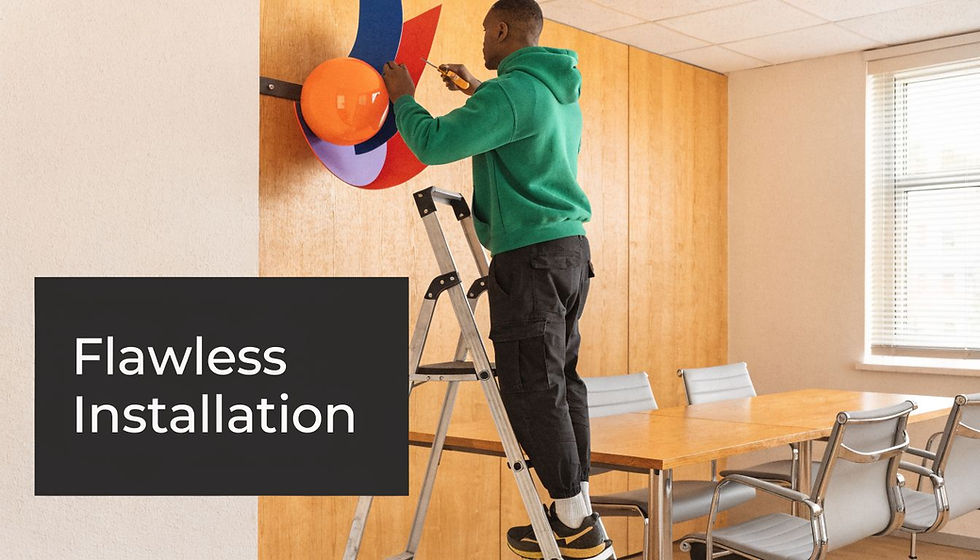
Conference room art installation is far more technical than most people expect. Large framed pieces, acrylic installations, or heavy artwork require hardware that matches the wall type and load requirements.
Professional installers evaluate:
Wall construction
Artwork weight distribution
Security hardware needs
Ceiling and furniture clearance
Viewing alignment with furniture and displays
In conference rooms, even minor alignment issues become obvious because the room itself is built around strong straight lines — tables, ceiling grids, displays, and glass walls all make crooked artwork stand out immediately.
A professional installation typically includes:
Site verification
Hardware selection
Room protection during installation
Laser-level alignment
Final sightline review once furniture is back in place
Long-Term Maintenance
Once the artwork is installed, regular maintenance helps preserve the investment.
A simple maintenance routine should include:
Dusting surfaces with proper materials
Checking frames and hanging points
Monitoring for glare or sun fading
Verifying alignment over time
Inspecting walls for stress or movement
If a piece begins leaning forward, loosening, or showing wall stress, it’s best to bring in a professional before the issue becomes larger.
Final Thoughts
The best conference room art feels intentional. It supports the room instead of overpowering it, reflects the company’s identity, and functions well in real-world meetings and presentations. When scale, placement, materials, and installation are handled properly, artwork becomes one of the strongest finishing touches in a professional office environment.


Comments