


A Collector’s Guide to Hiring Fine Art Movers

When it comes to moving valuable artwork, it’s tempting to think any moving company can handle the job. After all, how different can it be from moving furniture?
In reality, fine art movers operate in a completely different category. They are trained specialists who focus on protecting delicate, high-value pieces during packing, transport, and installation. Their goal isn’t simply to move items from one place to another—it’s to preserve the artwork’s condition and value throughout the entire process.
This is why museums, galleries, and serious collectors rely on professional art handlers rather than standard moving companies.
Why Fine Art Movers Are Different
Hiring a standard moving company to transport valuable artwork is a bit like asking a general doctor to perform specialized surgery. Both are professionals, but only one has the specific training and tools needed for the job.
Fine art movers understand how different materials react to environmental changes and physical stress. For example:
Oil paintings can crack if temperature or humidity fluctuates too quickly
Paper-based artwork can warp or develop mold in humid environments
Sculptures can be permanently damaged if packed incorrectly
Because of these risks, art handlers follow museum-quality handling procedures designed to minimize every possible threat during transport.
The key difference is focus. Standard movers prioritize speed and efficiency, while fine art movers prioritize precision, protection, and preservation.

What Services Do Fine Art Movers Provide?
Hiring a professional art handling team involves much more than loading items onto a truck. The process typically includes three major phases: preparation, transport, and installation.
Custom Packing and Crating
Fine art packing is a specialized process. Instead of standard boxes and bubble wrap, professional movers create custom packing solutions designed for each piece.
Paintings, sculptures, and mixed-media works all require different materials and protection methods. Common packing materials include:
Glassine paper to protect delicate surfaces
Archival foam that cushions without damaging artwork
Custom-built crates designed specifically for each piece
For larger or valuable paintings, art handlers often build travel frames that stabilize the artwork inside the crate and prevent pressure on the canvas.
These protective systems help absorb vibration during transport and prevent damage caused by movement.
Climate-Controlled Transport
Temperature and humidity are some of the biggest threats to artwork during transportation.
Fine art movers use climate-controlled vehicles that maintain a stable environment—typically around 70°F and 50% humidity—throughout the entire journey.
This controlled environment protects artwork from:
Paint cracking due to rapid temperature changes
Warping of paper and canvas
Mold growth caused by humidity
Maintaining consistent environmental conditions is one of the most important steps in protecting valuable artwork during a move.
White-Glove Installation
Once the artwork arrives at its destination, professional installation ensures it is displayed safely and correctly.
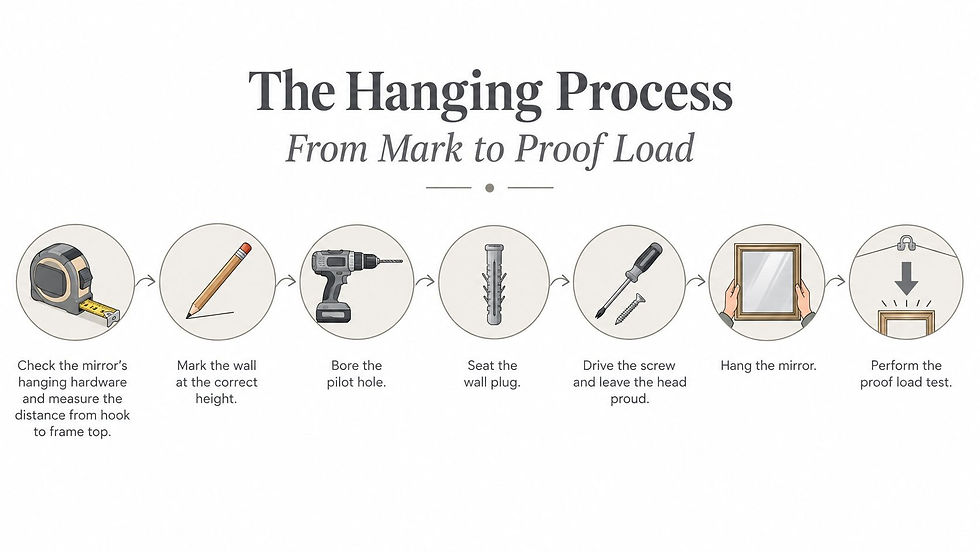
Art handlers bring specialized tools and mounting hardware to securely install artwork on different wall materials, including drywall, brick, and concrete.
Installation also involves careful placement and leveling to create a polished, gallery-quality presentation. This final step transforms an empty wall into a professionally curated display.

What “Museum-Quality” Standards Really Mean
The phrase “museum-quality handling” is often used in the art world, but it represents a very specific set of practices designed to preserve artwork.
These standards are based on three core principles:
Archival Materials
Professional movers only use acid-free and chemically stable packing materials. Everyday materials like newspaper or standard packing paper can release chemicals that damage artwork over time.
Environmental Control
Climate stability is critical for protecting artwork during transport and storage. Professional art movers monitor temperature and humidity to prevent damage caused by environmental fluctuations.
Security and Documentation
Fine art movers maintain strict security procedures, including GPS-tracked vehicles, trained staff, and a documented chain of custody.
Before the move begins, handlers complete a condition report documenting the artwork’s current state. This includes detailed notes and photographs of any existing imperfections.
A second report is completed upon delivery to confirm the artwork arrived safely.
This documentation protects both the owner and the art handler by providing a clear record of the artwork’s condition before and after transport.
How to Choose the Right Fine Art Movers
Not all moving companies offering “art services” have the same level of expertise. When hiring a fine art mover, it’s important to ask the right questions.
Key things to look for include:
Experience handling artwork similar to yours
Specialized training in art handling and installation
Climate-controlled vehicles and secure facilities
Proper insurance based on the artwork’s value
References from galleries, collectors, or museums
Professional art movers should also provide a clear, detailed quote outlining all costs, including packing materials, crating, transport, and installation.
Transparency is a good indicator of a company that takes its responsibilities seriously.
Why Local Expertise Matters in Colorado
Moving artwork in Colorado presents unique challenges. From Denver’s urban high-rises to mountain homes in Aspen or Vail, art movers must navigate unpredictable weather, high altitude, and difficult access points.
Rapid weather changes and altitude shifts can affect fragile materials, which is why climate-controlled transport and experienced handling are essential.
Local knowledge also helps movers manage logistical challenges like tight staircases, narrow roads, and complex installations.
Working with a team familiar with Colorado’s environment ensures the move is handled safely and efficiently.
Preparing for Your Art Move
A little preparation can make the moving process smoother.
Before your art handlers arrive, consider taking these steps:
Gather paperwork such as appraisals, receipts, and provenance documents
Take photographs of each piece as a personal record
Clear pathways so movers can safely access artwork
Measure doorways and staircases to avoid surprises during transport
Preparing your space and documentation helps create a seamless experience for both you and the art handling team.
Protecting Your Collection
Whether you're relocating a single painting or an entire collection, moving fine art requires specialized expertise.
Professional art movers combine careful packing, climate-controlled transport, and expert installation to ensure every piece arrives in perfect condition.
For collectors, galleries, and institutions, hiring specialists isn’t just a convenience—it’s the best way to protect artwork that may be irreplaceable.


Comments