


10 Sculpture Display Ideas for Homes, Offices & Galleries

A beautiful sculpture deserves more than just a place to sit—it deserves a display that enhances its impact while keeping it safe. Whether you're decorating a home, designing a corporate lobby, or preparing a gallery exhibition, the right placement can completely transform how artwork is experienced.
Before choosing a display method, ask yourself two questions:
How should the sculpture be viewed?
What can the space safely support?
Here are ten professional sculpture display ideas that work in almost any setting.
1. Display on a Pedestal or Plinth
Pedestals remain one of the most popular ways to display sculpture because they naturally create a focal point while improving viewing height.
Choose a pedestal that's sturdy enough to support the artwork and sized appropriately for the room. A custom stand often provides better stability for heavier or irregularly shaped pieces.
Best for:
Home entries
Galleries
Corporate lobbies
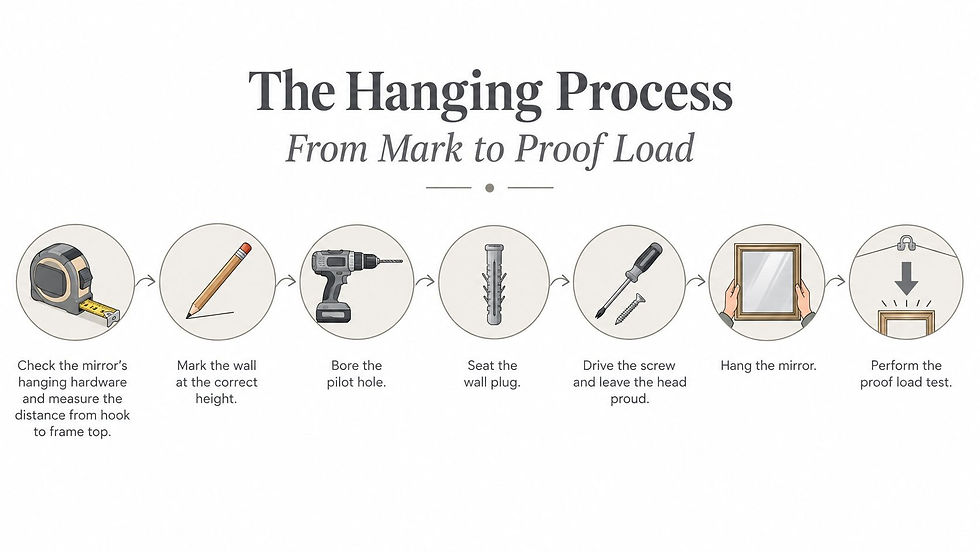
2. Mount Sculptures on the Wall
Wall-mounted sculptures save floor space while creating a dramatic visual feature.
The key is using hardware designed for the wall material and sculpture weight. Heavy pieces should always be professionally installed to ensure long-term safety.
Best for:
Relief sculptures
Small offices
Modern homes
3. Create an Outdoor Sculpture Display
Garden sculptures can become stunning landscape focal points when thoughtfully positioned.
Consider:
Drainage
Seasonal changes
Weather-resistant materials
Landscape lighting
Outdoor installations should be built on stable foundations—not simply placed on soil.
4. Suspend Sculpture from the Ceiling
Floating sculptures create incredible visual impact in spaces with high ceilings.
Because suspended artwork relies on structural support, proper rigging and professional installation are essential.
Ideal locations include:
Museums
Atriums
Stairwells
Modern commercial spaces
5. Group Multiple Sculptures Together
Collections often look stronger when displayed as a curated group instead of scattered throughout a room.
For the best results:
Start with one anchor piece
Vary heights
Leave breathing room between sculptures
Use consistent display stands when possible
Grouped displays work especially well for smaller bronze, ceramic, or contemporary works.
6. Add Motion with Rotating Displays
Motorized rotating bases allow viewers to appreciate sculptures from every angle without walking around them.
They're especially effective for abstract or highly detailed pieces in galleries, museums, and executive offices.
Keep movement slow and subtle so the artwork remains the focus.
7. Use Architectural Niches
If your home or commercial building has recessed walls or alcoves, they naturally frame sculpture while reducing visual distractions.
Integrated lighting helps highlight form and texture while giving the installation a museum-quality appearance.
8. Combine Sculpture with Lighting or Multimedia
Modern installations sometimes incorporate projection, sound, or specialty lighting to enhance the viewing experience.
The technology should support the artwork—not overpower it.
Planning electrical access early makes installation much easier.
9. Design Climate-Controlled Display Rooms
Serious collectors often dedicate spaces specifically for displaying and preserving artwork.
Climate-controlled rooms help protect sculptures from:
Temperature fluctuations
Humidity
UV exposure
Dust
Accidental damage
These spaces allow collections to rotate while maintaining museum-level preservation.
10. Let Negative Space Do the Work
Sometimes less really is more.
Minimalist displays give a single sculpture room to breathe, allowing viewers to appreciate its form without competing visual elements.
This approach works especially well for:
Large contemporary works
Monumental sculptures
High-end residential interiors
Corporate headquarters
Tips for Better Sculpture Displays
Regardless of which display method you choose, a few best practices always apply:
Match the display to the sculpture's weight and size.
Keep artwork away from heavy foot traffic when possible.
Use lighting to highlight form and texture.
Leave enough surrounding space so the sculpture doesn't feel crowded.
When displaying valuable or heavy pieces, work with professional installers.
When to Hire a Professional Art Installer
Some sculptures can safely sit on a shelf or tabletop, but many installations require much more planning.
Professional installers help with:
Structural mounting
Heavy artwork installation
Custom display fabrication
Outdoor sculpture placement
Gallery installations
Corporate art displays
The goal isn't simply making artwork look good—it's ensuring it's secure, properly supported, and displayed exactly as intended.
Final Thoughts
A well-designed sculpture display enhances both the artwork and the space around it. Whether you're showcasing a single statement piece or an entire collection, thoughtful placement, proper lighting, and secure installation make all the difference.
If you're planning a residential, commercial, or gallery installation, working with experienced professionals can help protect your investment while creating a display that truly showcases your art.


Comments